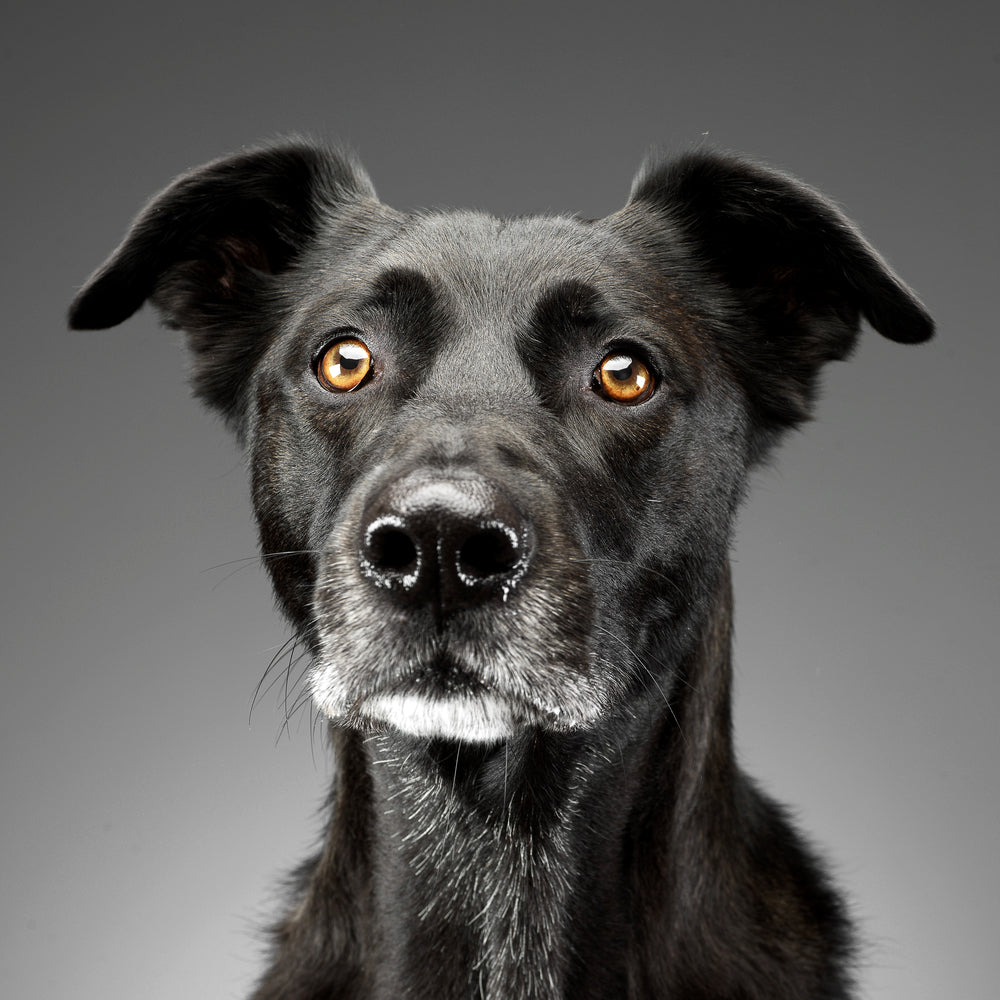
The coat reflects a wider routine
A glossy coat is often treated as a cosmetic goal, but normal skin and coat condition depends on a wider pattern of care. Hair is continually growing and shedding, while the skin acts as a barrier between the body and the outside environment. Balanced nutrition, suitable grooming and attention to parasites and irritation all matter.
Working, sporting and outdoor dogs may face extra demands from rain, mud, swimming, vegetation and frequent washing. Long, dense and double coats can also need more deliberate maintenance to prevent tangles and keep the skin easy to inspect.
Nutrition from the inside out
A complete diet supplies protein, essential fats, vitamins and minerals used throughout the body. Dietary fatty acids, including Omega-3 and Omega-6, are relevant to normal skin function and coat maintenance, but they work as part of the overall diet rather than in isolation.
Before adding a complementary feed, check what the dog already receives. Complete foods can already contain substantial levels of vitamins, minerals and fatty acids. Comparing labels helps avoid unnecessary duplication and keeps the total diet in view.
Groom for the individual coat
Grooming frequency should suit the coat type and lifestyle. Gentle brushing removes loose hair, helps distribute natural oils and creates an opportunity to notice lumps, scabs, redness or parasites. Use tools that do not scratch the skin or pull harshly on the coat.
After swimming or wet walks, rinse away contaminants when needed and dry the coat thoroughly, especially in skin folds, between the toes and beneath dense areas. Use dog-appropriate products and avoid over-washing, which may disturb the skin's normal balance.
Watch for patterns
Seasonal shedding is normal for many dogs, but sudden or patchy hair loss, persistent scratching, repeated licking, odour, redness or greasy scaling deserves attention. Keep a note of when the change began and whether it follows a new food, grooming product, environment or parasite exposure.
Photographs taken in consistent light can help track whether an area is improving or spreading. Avoid repeatedly changing several products at once, because that makes it difficult to understand what has affected the dog.
Speak to your vet when something changes
Skin problems can have many causes, including parasites, infection, allergy, irritation and underlying disease. Supplements should not be used to delay assessment of persistent or uncomfortable symptoms. Seek veterinary advice if the dog is distressed, the skin is broken, symptoms recur or there is a marked change in coat quality.
Important information: This article provides general wellbeing information and does not replace veterinary advice. CWR+ products are complementary feeds or complementary pet foods, as identified on their labels, and are not intended to diagnose, treat, cure or prevent disease. Always follow the current product label.